สรุปข่าว
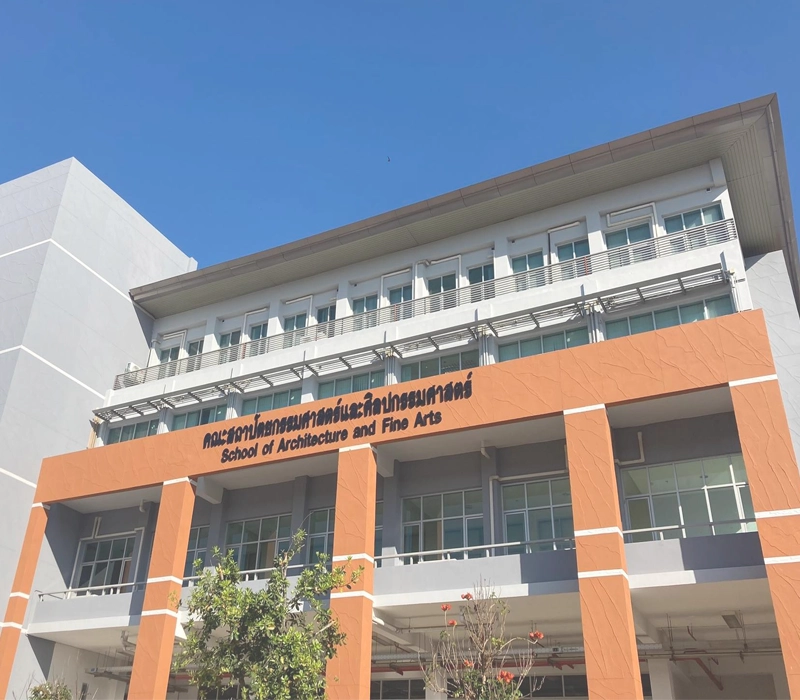
คณะสถาปัตยกรรมศาสตร์และศิลปกรรมศาสตร์ มหาวิทยาลัยพะเยา นำโดย ผศ.ดร.อัมเรศ เทพมา คณบดี เข้าร่วมโครงการส่งเสริมคุณธรรมจริยธรรมและความโปร่งใสภายใต้หลักธรรมาภิบาล มหาวิทยาลัยพะเยา โดยมีวิทยากรจาก ป.ป.ช. ภาค 5 บรรยายเกี่ยวกับนโยบาย No Gift Policy และหลักเกณฑ์การรับทรัพย์สินโดยธรรมจรรยา ณ ห้อง CE11206 อาคารเรียนรวม มหาวิทยาลัยพะเยา
วันจันทร์ที่ 11 พฤษภาคม 2569 คณะสถาปัตยกรรมศาสตร์และศิลปกรรมศาสตร์ มหาวิทยาลัยพะเยา นำโดย ผู้ช่วยศาสตราจารย์ ดร. อัมเรศ เทพมา คณบดี และบุคลากร เข้าร่วมโครงการส่งเสริมคุณธรรมจริยธรรม และความโปร่งใส ภายใต้หลักธรรมาภิบาล มหาวิทยาลัยพะเยา ในหัวข้อ : การส่งเสริมคุณธรรมและจริยธรรมควบคู่การขับเคลื่อนนโยบายไม่รับของขวัญ และการปฏิบัติตามหลักเกณฑ์การรับทรัพย์สินโดยธรรมจรรยา จัดโดยกองกฎหมาย มหาวิทยาลัยพะเยา ณ ห้อง CE11206 อาคารเรียนรวม มหาวิทยาลัยพะเยา
โครงการดังกล่าวมีวัตถุประสงค์เพื่อส่งเสริมความรู้ ความเข้าใจเกี่ยวกับคุณธรรม จริยธรรม หลักธรรมาภิบาล ตลอดจนสร้างความตระหนักรู้เกี่ยวกับนโยบายไม่รับของขวัญ (No Gift Policy) และแนวปฏิบัติในการรับทรัพย์สินหรือประโยชน์อื่นใด โดยธรรมจรรยาอย่างถูกต้อง โปร่งใส และเป็นธรรม โดยได้รับเกียรติจาก นายวัชรินทร์ คำมา พนักงานไต่สวน ระดับสูง สำนักงาน ป.ป.ช. ภาค 5 เป็นวิทยากรบรรยายในหัวข้อ "หลักคุณธรรมและจริยธรรมสำหรับบุคลากรมหาวิทยาลัยพะเยา" "แนวคิดและความสำคัญของนโยบาย No Gift Policy และแนวปฏิบัติที่ถูกต้อง : รับ-ไม่รับ รายงานอย่างไรให้ถูกต้อง" รวมถึงหัวข้อ "หลักเกณฑ์การรับทรัพย์สินโดยธรรมจรรยา" เพื่อเสริมสร้างความรู้ ความเข้าใจ และแนวทางปฏิบัติที่ถูกต้องแก่ผู้บริหารและบุคลากรของมหาวิทยาลัย ซึ่งการจัดโครงการในครั้งนี้สะท้อนถึงความมุ่งมั่นของมหาวิทยาลัยพะเยาในการขับเคลื่อนองค์กรตามหลักธรรมาภิบาล ส่งเสริมวัฒนธรรมองค์กรที่ยึดมั่นในความซื่อสัตย์สุจริต ความโปร่งใส ความรับผิดชอบ และการป้องกันการทุจริต อันจะนำไปสู่การพัฒนาองค์กรอย่างมีประสิทธิภาพและยั่งยืนต่อไป
“คุณธรรม จริยธรรม และความโปร่งใส คือรากฐานสำคัญที่ขับเคลื่อนองค์กรสู่ความยั่งยืนและเป็นที่น่าเชื่อถือของสังคม”
— ผู้ช่วยศาสตราจารย์ ดร. อัมเรศ เทพมา คณบดีคณะสถาปัตยกรรมศาสตร์และศิลปกรรมศาสตร์ มหาวิทยาลัยพะเยา


