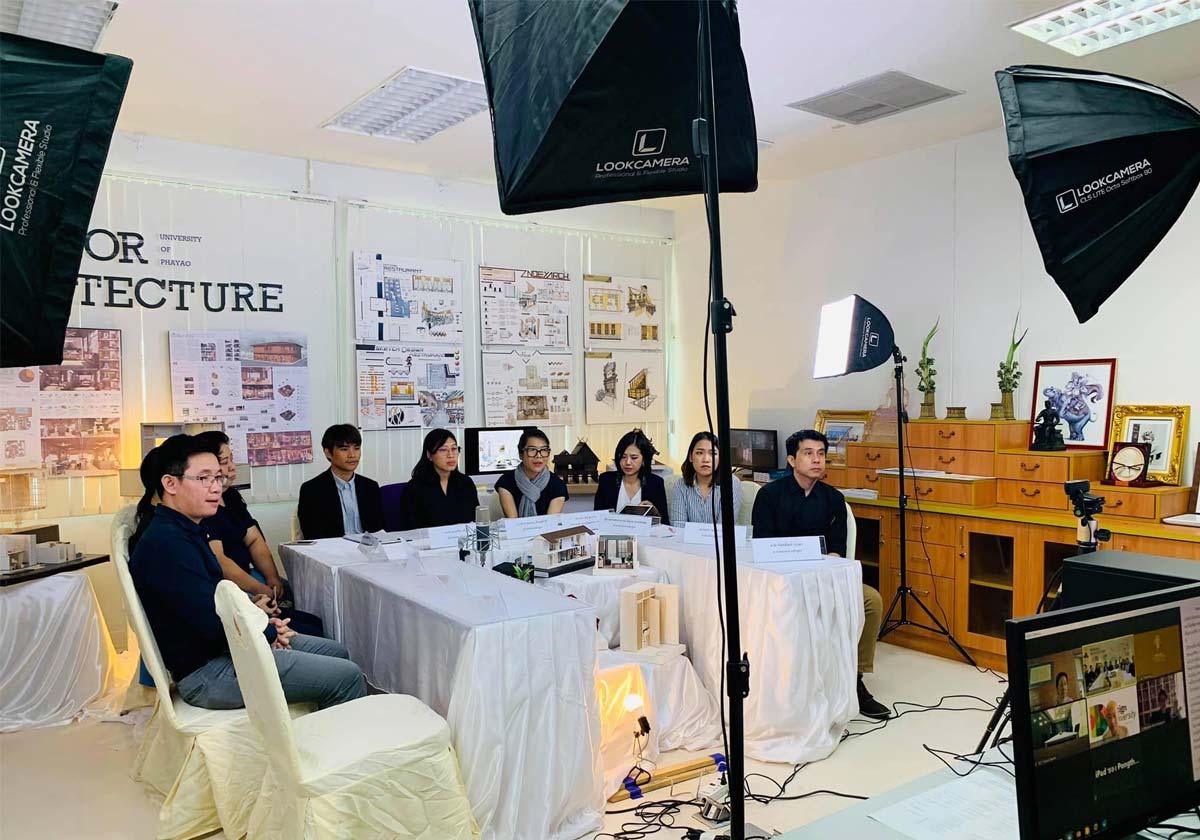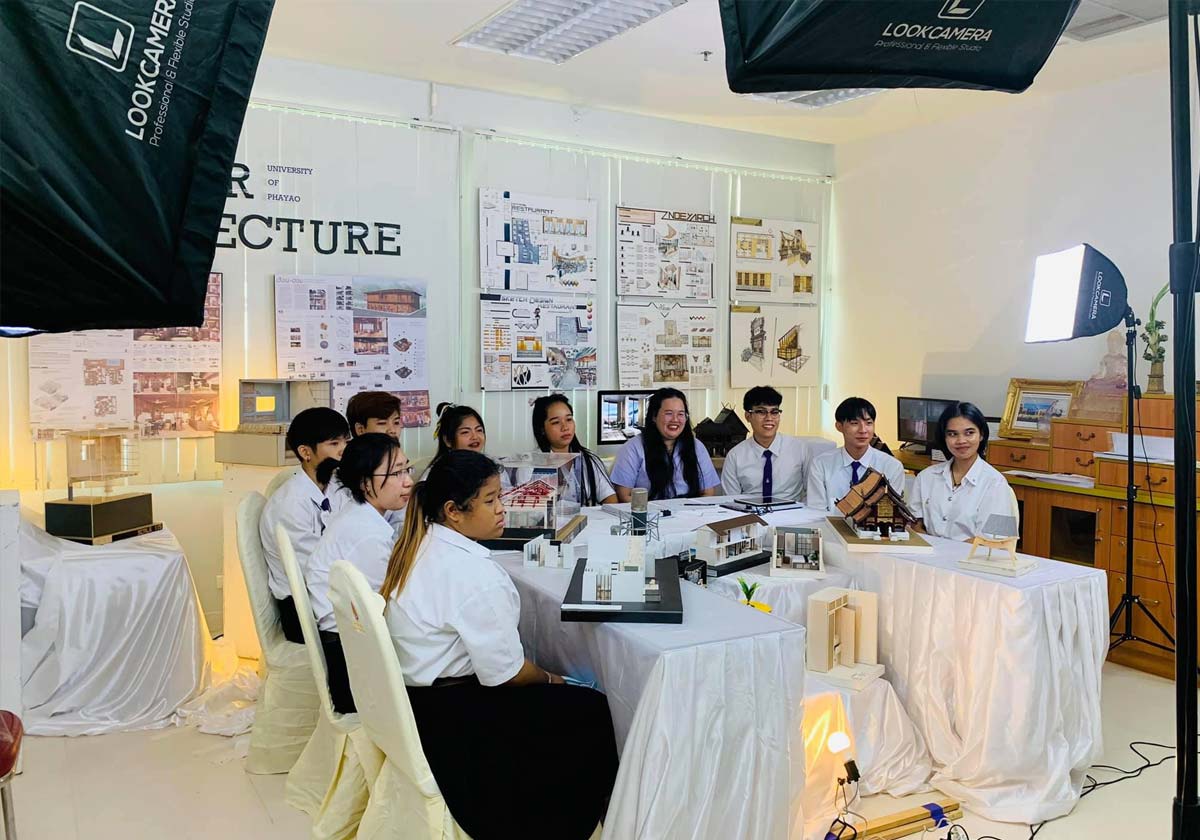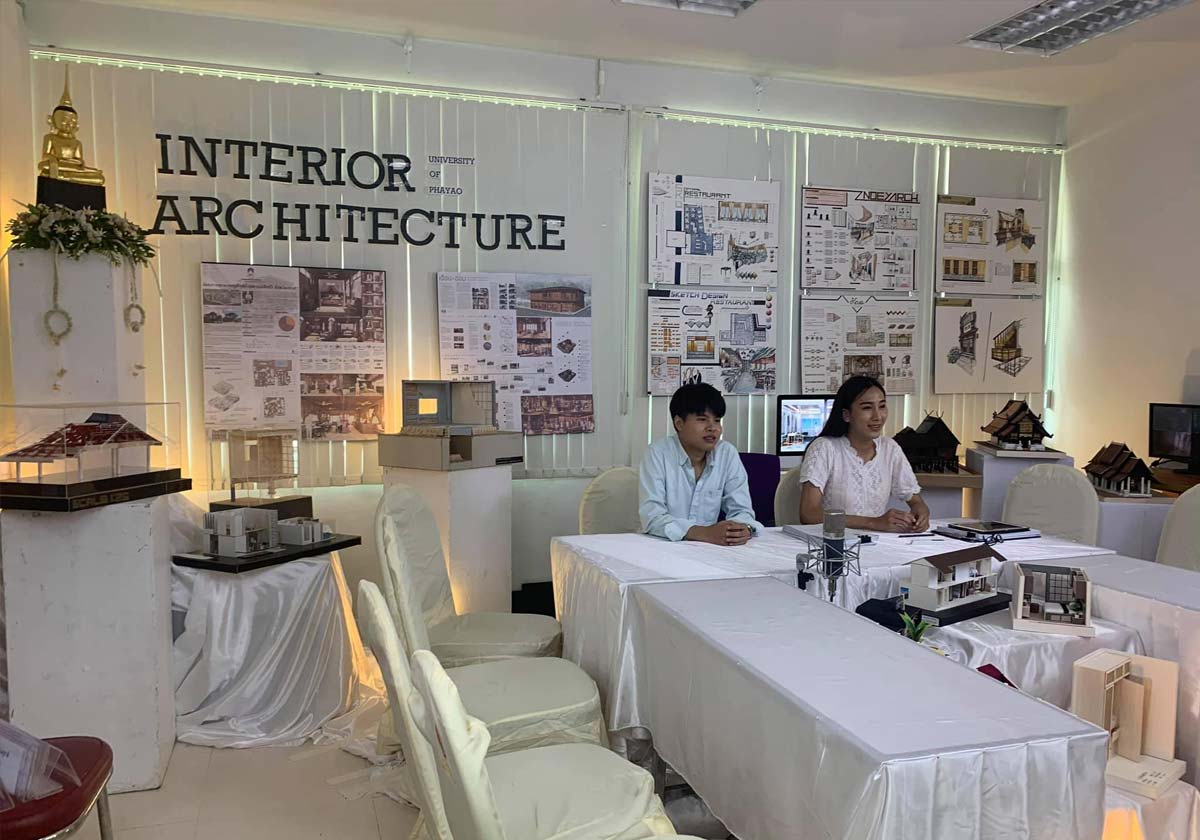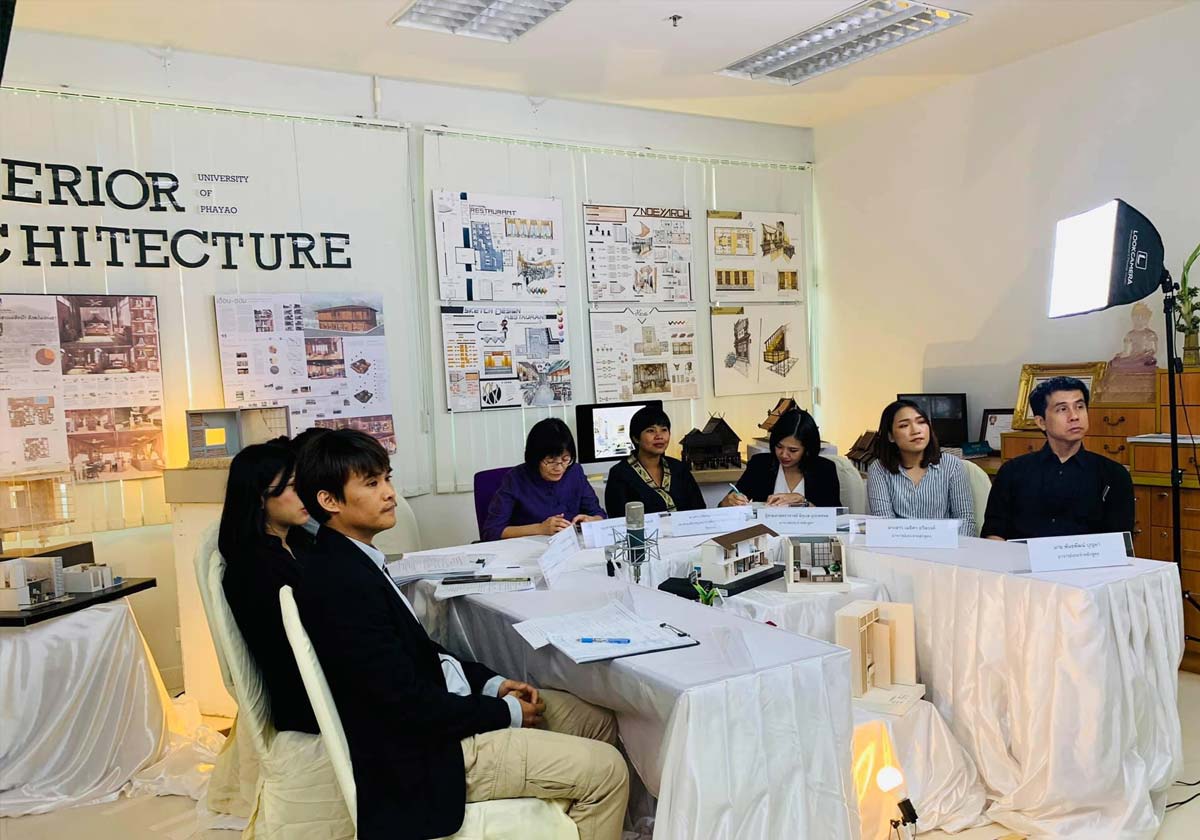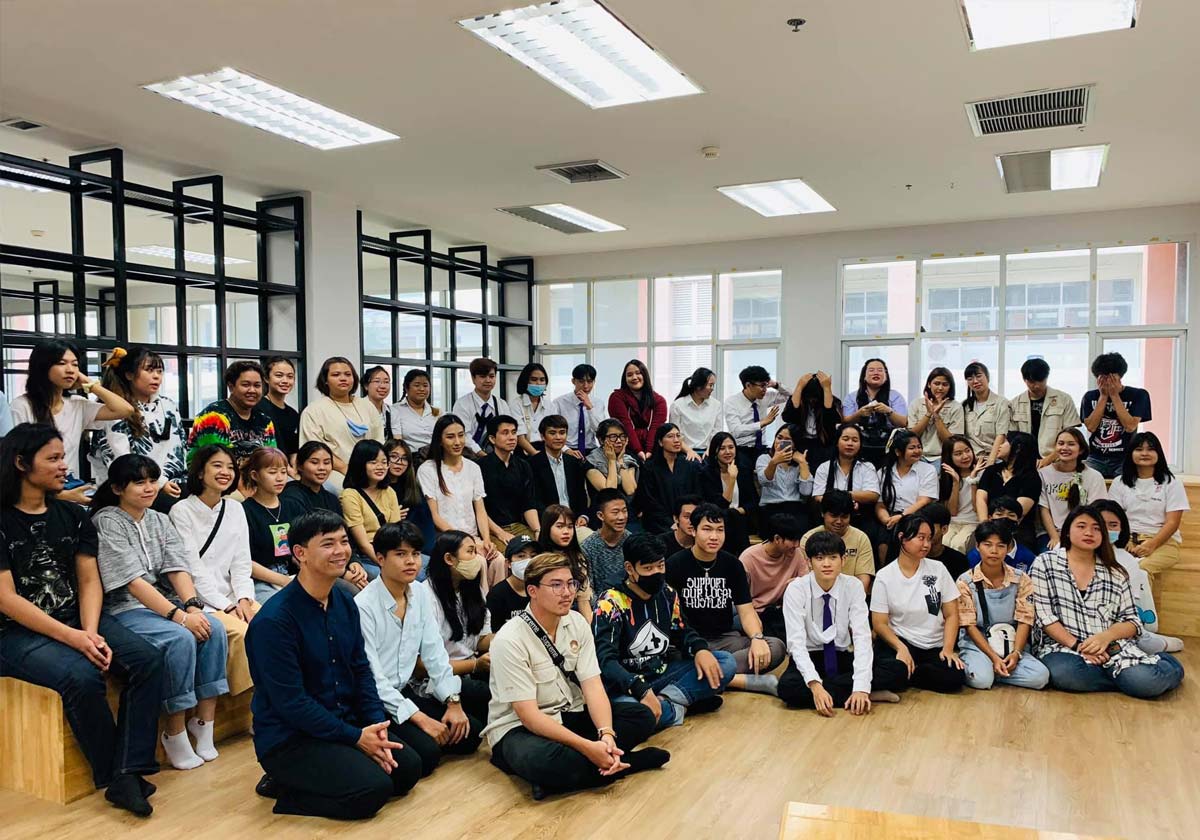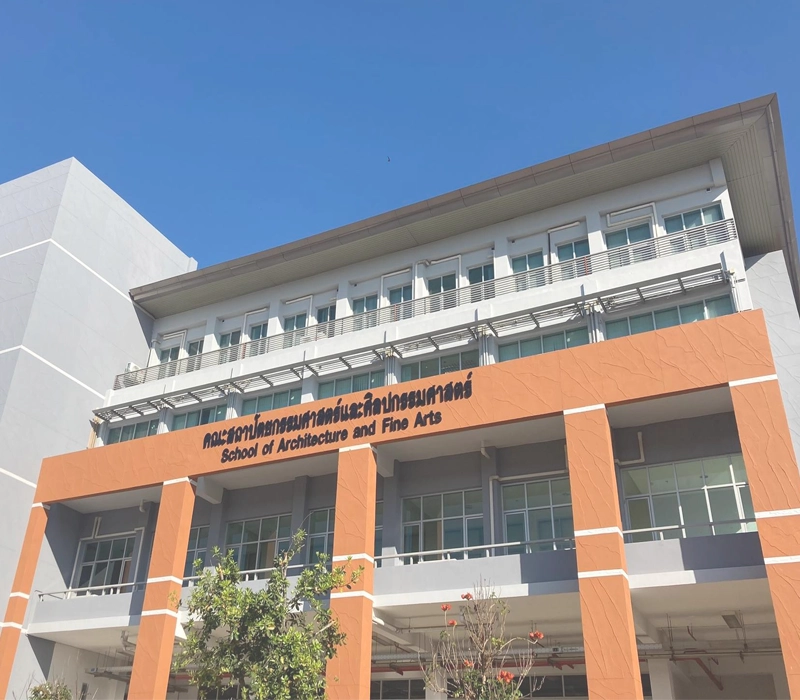
The School of Architecture and Fine Arts, University of Phayao, held its ITA briefing and progress review meeting for fiscal year B.E. 2569 at At Natha Hotel, Chiang Mai. The session reinforced ethical standards, declared the No Gift Policy, and outlined the UP-ITA assessment approach for all personnel.
On 29–30 April 2026, the School of Architecture and Fine Arts, University of Phayao, held a briefing and progress review meeting on the Integrity and Transparency Assessment (ITA) for fiscal year B.E. 2569, at At Natha Hotel, Chiang Mai. The meeting aimed to strengthen ethical knowledge and understanding among personnel, and to raise operational standards in line with the principles of good governance. Faculty executives and all personnel attended in full.
Asst. Prof. Dr. Amret Thepma, Dean of the School of Architecture and Fine Arts, emphasized the importance of strictly adhering to the Code of Ethics as a guide to professional conduct, and declared an intention for honest administration. He reiterated the "No Gift Policy" — pledging that all administrators, officers, and personnel of the School of Architecture and Fine Arts will not accept any gifts, favors, or other benefits arising from the performance of their duties under any circumstances, whether before, during, or after performing duties, and including on all festivals and special occasions. This commitment serves to prevent corruption risks and to cultivate a work culture centered on the public interest, building an organizational culture that is transparent, accountable, and free from corruption.
Ms. Sawitree Nukoon, Deputy Dean for Administration and Quality Assurance, outlined the operational approach and progress monitoring of the ITA assessment at the internal agency level (UP-ITA), covering aspects of transparency, accountability, and Open Data. Personnel were invited to exchange views and to propose approaches for improving operations in alignment with assessment criteria.
Additionally, behavioral guidelines for personnel under the ethics standards for public officials, as prescribed by the Ethics Standards Act B.E. 2562, were communicated. These covered "Dos" — including upholding the nation's key institutions, performing duties with honesty, public-mindedness, and responsibility — as well as "Don'ts" — such as seeking improper benefits, using one's official position for personal gain, discrimination, or accepting property in connection with one's duties. This activity represents a significant step in driving the organization toward excellence in integrity and transparency, while also preparing the faculty for effective ITA evaluation — an effort that will lead to higher organizational management standards and greater public confidence.
"No gift of any kind, at any time — our commitment to organizational transparency starts with each and every one of us."
- Asst. Prof. Dr. Amret Thepma, Dean, School of Architecture and Fine Arts